Design is Business Strategy
Design is often perceived as a decorative element, separate from core business strategy. But in reality, design is inherently connected to business growth. Strategic design decisions influence user behavior, build brand loyalty, and drive revenue. Companies like Apple, Airbnb, and Slack have demonstrated that design excellence is a competitive advantage that directly impacts business success.
Design's Impact on Conversion
Design Elements That Drive Conversions:
- Clear Call-to-Actions: Prominent, action-oriented buttons increase click-through rates
- Visual Hierarchy: Guides users' attention to important elements and desired actions
- Trust Signals: Professional design, testimonials, and security badges build confidence
- Mobile Optimization: Responsive design ensures conversions across devices
- Page Speed: Faster-loading pages reduce bounce rate and increase conversions
- Simplicity: Minimal distractions and clear pathways reduce friction
User Acquisition Through Design
First Impressions Matter
Users form opinions about your website in milliseconds. Professional, modern design creates positive first impressions that encourage exploration and engagement. Poor design triggers bounce rates—users leave before giving you a chance.
Brand Differentiation
In crowded markets, distinctive design sets you apart. Strong visual identity and unique design approach make you memorable. When customers remember your brand, they're more likely to return and recommend you.
SEO & Organic Growth
Design decisions impact technical SEO. Mobile-responsive design, fast page load times, and proper semantic HTML all influence search rankings. Good design improves SEO, leading to increased organic traffic and user acquisition.
Customer Retention & Loyalty
Experience Design
Great design creates positive experiences that keep customers coming back. Every interaction—from navigation to checkout—should be thoughtfully designed to reduce friction and increase satisfaction.
Consistency & Recognition
Consistent brand design across touchpoints builds recognition and trust. When customers see familiar design elements, they develop confidence and loyalty. Brands with strong visual consistency have higher customer retention.
Personalization Through Design
Personalized design experiences make customers feel valued. Tailored recommendations, customized layouts, and personalized messages create stronger connections and increase customer lifetime value.
Scalability & Growth
Design Systems
As businesses grow, consistent design becomes crucial. Design systems—documented design guidelines and reusable components—enable teams to scale while maintaining consistency. This scalability supports growth without compromising quality.
Omnichannel Design
Modern customers interact with brands across multiple channels. Consistent design across web, mobile, email, and social media creates cohesive brand experiences that strengthen relationships and drive loyalty.
Design ROI
Measuring design's business impact involves tracking multiple metrics:
- Conversion Rate: Design improvements directly impact conversion rates
- User Satisfaction: Better UX leads to higher satisfaction scores
- Customer Lifetime Value: Design improves retention, increasing lifetime value
- Brand Value: Strong design increases brand perception and premium pricing ability
- Organic Traffic: Good SEO-conscious design increases organic search traffic
Innovation Through Design
Staying Competitive
Design trends and expectations constantly evolve. Regular design updates keep your brand looking fresh and modern. Innovation in design demonstrates that your company is forward-thinking and competitive.
User Research-Driven Growth
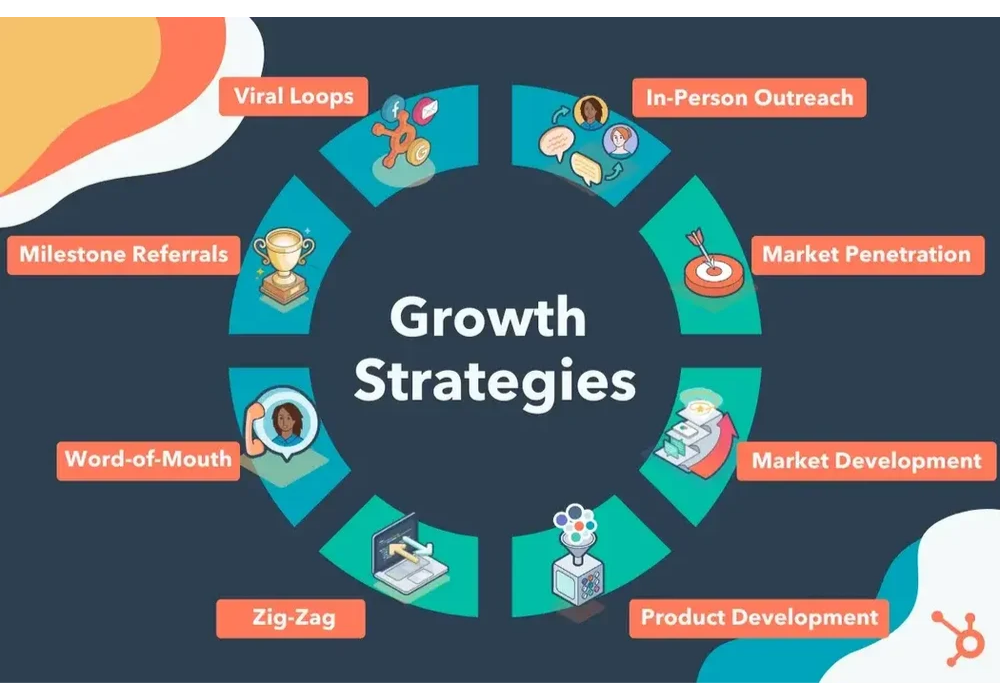
Design research reveals customer needs and pain points. Understanding your users through research drives product innovation and growth opportunities. The best growth strategies are informed by deep user understanding.
Investment in Design
Design is an investment, not an expense. Companies that invest in design see measurable business benefits:
- Higher conversion rates lead to increased revenue
- Better user experience reduces customer acquisition costs
- Strong brand design commands premium pricing
- Distinctive design creates competitive advantage
- Good design reduces support costs through intuitive experiences
Design-Driven Culture
Companies that prioritize design internally see better business outcomes. When teams understand design's importance, they make design-conscious decisions across the organization. This design-driven culture compounds over time, creating competitive advantages.
Conclusion
Design is not peripheral to business strategy—it's central to it. Strategic design decisions impact user acquisition, conversion rates, customer retention, and brand value. By viewing design as a growth lever and investing in it accordingly, businesses can drive sustainable, profitable growth. In today's competitive landscape, great design is a business imperative.
Ready to use design to drive your business growth? Let's partner for success.